
The Children We Failed Are the Threat We Fear
Nigeria’s insecurity crisis didn’t start with guns. It started with children we failed to feed, educate, and protect, and a pipeline from neglected childhood to armed threat we keep refusing to follow upstream.
When you ask anyone what’s wrong with Nigeria, you hear a lot of things, one of the words that surfaces within a minute “insecurity”. Bandits on the highways. Kidnappers who treat schoolchildren like inventory to be ransomed. Insurgents in the northeast who have outlasted three presidents. We talk about these threats as if they appeared overnight.
The reality is they didn’t, every fighter was once a child and the path from a neglected childhood to a security threat is not a mystery. We keep treating insecurity as a problem of guns, soldiers and budgets but in many cases it started years earlier with children we failed to feed, protect, and educate, leaving them without the basic guidance needed to distinguish between right from wrong.
Let’s start with the numbers because they are hard to argue with. In 2024, UNICEF counted 18.3 million out of school children, stating that Nigeria had the highest of any country on earth, one in every five out-of-school children worldwide; by early 2026, Save the children, a well-established global child welfare organisation, put the figure at more than 28 million with no access to formal or digital learning at all. Poverty sits underneath most of it: the 2022 National Multidimensional poverty index found that 67.5 percent of Nigerian children are multidimensionally poor, that half of all poor people in the county are children. In rural areas the rate approaches 90 percent; in states like Sokoto, Kebbi, Borno and Gombe it climbs above 95.
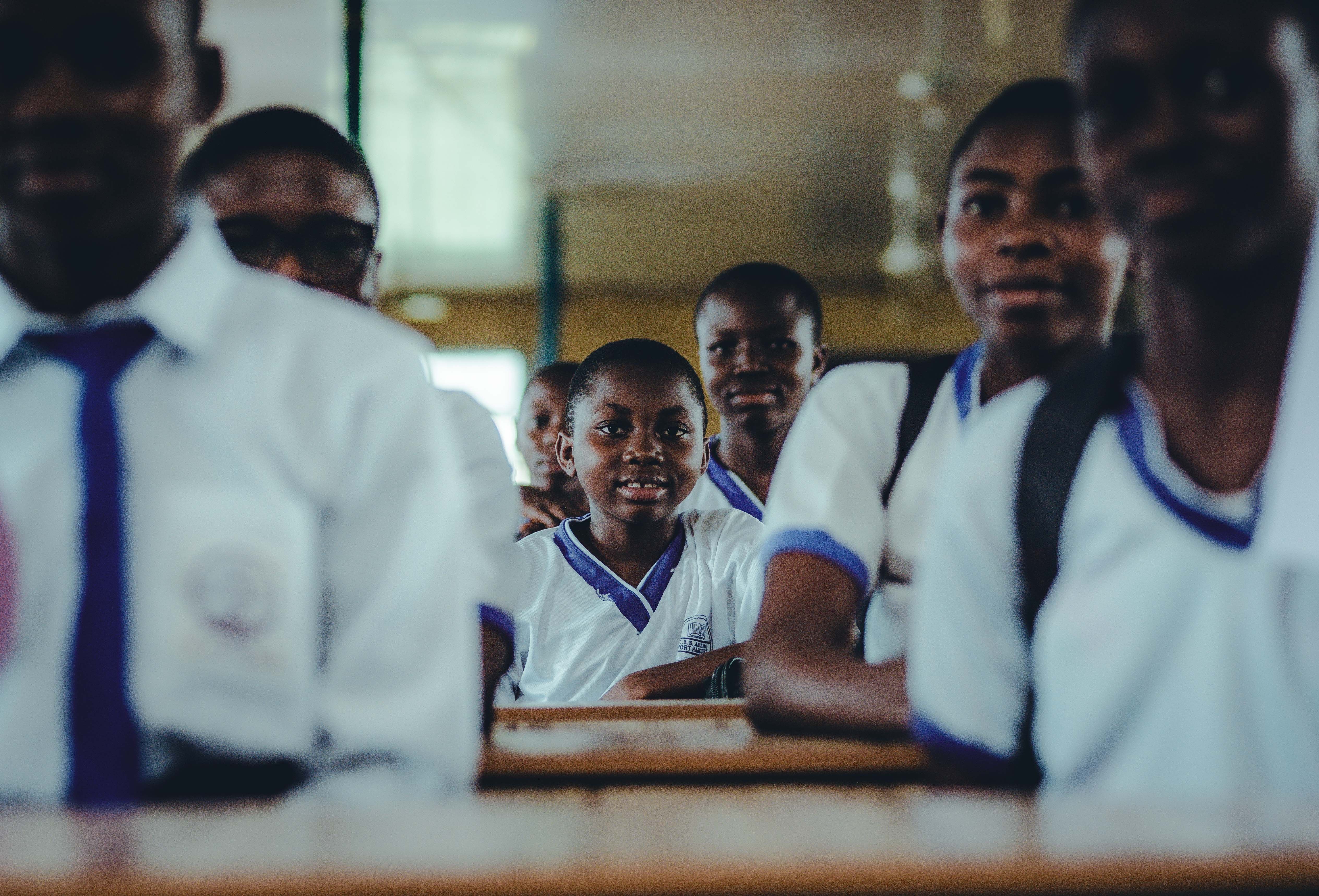
These are not abstract figures about income. They describe children who are hungry, sick, unschooled and unwatched, with around 40 percent of under-fives stunted from poor nutrition and only about 27 percent of those aged seven to fourteen able to read with comprehension. A child might be enrolled on paper and still leave primary school unable to read a sentence. So this is not a handful of unlucky kids at the margins, but a substantial share of an entire generation, raised with almost no contact with the institutions, schools, clinics, stable homes, that are supposed to turn a child into a functioning adult.
Here is where welfare and security stop being separate conversations. A child with nothing to lose is what an armed group is looking for. Olusegun Obasanjo said as much in late 2025, calling the out-of-school crisis a “ticking time bomb” and the recruiting ground for “the Boko Haram of tomorrow”. Much of that pool has a name: the almajiri system, the millions of boys sent from home to study under Quranic teachers and left to survive by begging. Researchers at the International Centre for Counter-Terrorism trace Boko Haram’s rise straight back to it, noting that its founder was himself an almajiri graduate who recruited from boys already hollowed out by poverty. From a recruiter’s side the maths is easy. Offer a hungry, illiterate, unparented teenager some belonging, a little money and a gun, and you are competing against nothing. The state never showed up for him, so why would he defend it?
Then it loops. Insecurity closes schools. Save the Children counted 70 attacks on Nigerian schools between 2014 and 2022, with 1,683 learners abducted and 184 killed. Parents pull their children out, those children swell the out-of-school millions, and some of them grow into the next wave of the threat that emptied the classroom in the first place. We can keep treating insecurity as a problem for force and budgets alone, or we can deal with the quieter thing that feeds it: hunger, sickness and exclusion in childhood. Every child kept in school and looked after is one who does not enter that cycle. The question is how long we can keep ignoring the start of the pipeline while fighting the end of it.
Share this story
More stories you might like

You don't need to be rich to save a life: how ₦2,000 or ₦5,000 goes further than you think
When we told a father what had come in for his child's care, he said the money was a whole lot. It was ₦180,000. Here's the arithmetic behind that.
A New Structure Won’t Fix an Old Problem
Nigeria wants to scrap the JSS/SSS split for one continuous 12-year system. The gap it’s meant to close is real, but the reform stops at the school gate, while the reasons children actually leave (hunger, instability, cost) sit at home.

Why Most Nigerian Children Don't Get the Healthcare They Deserve
Most Nigerian children don't suffer because their illnesses are untreatable. They suffer because healthcare is too expensive, too distant, too understaffed, or arrives too late. A look at the chain of failures behind preventable child deaths, and what it would take to fix them
By Adeleye Adebisi